Stop Feeding Raw Keywords to AI: Use GSC Clusters Instead
The problem usually is not the model. It is the input. If you give AI a messy keyword dump, you get polished guesses. If you give it clustered GSC data and a crawl, you can get something much closer to a real SEO plan.
The modern AI SEO pipeline:
Export
Raw GSC Performance Data
Structure
SEOcluster.ai intent clustering
Context
Screaming Frog site crawl
Reasoning
Claude / ChatGPT project environment
Output
A practical, page-level SEO action plan
Most SEOs are using AI backwards. They paste raw Search Console exports into Claude or ChatGPT and hope for a strategy. The better workflow is to structure the search data first, then let AI reason from that map.
Why Raw GSC Exports Are Hard for AI
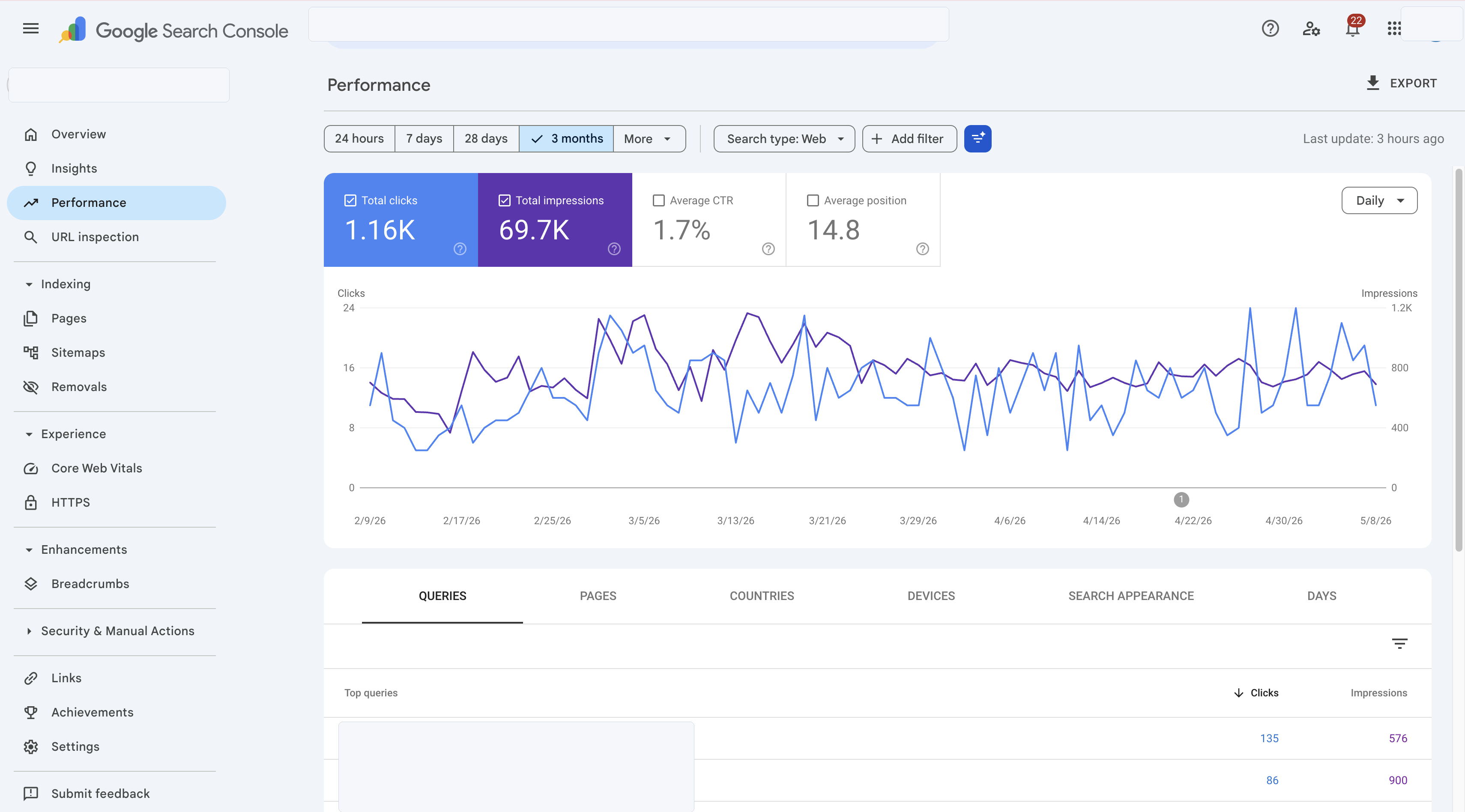
Google Search Console is one of the best SEO data sources for an existing website because it shows real visibility: queries earning impressions, pages already ranking, CTR opportunities, striking-distance keywords, accidental rankings, and competing URLs.
But raw GSC exports are noisy. One page can rank for hundreds of query variants. The same search intent appears under dozens of phrases. Branded, informational, transactional, and local queries sit in the same file. Some terms belong on an existing page. Some need a new page. Some should be ignored.
If you paste that whole mess into ChatGPT or Claude, the model has to infer the structure from scratch. It may produce tidy-looking ideas, but it often misses the question that actually matters: which page should own this intent?
| Workflow | What AI Sees | Typical Output |
|---|---|---|
| Raw keyword export → AI | Thousands of disconnected phrases | Generic content ideas and duplicated topics |
| GSC clusters → AI | Intent groups, target pages, URLs, metrics | Page-level actions and better briefs |
| Clusters + crawl → AI | Search demand plus current site structure | Optimization plans tied to real URLs |
| Clusters + crawl + rules → AI | Data, site reality, and business constraints | Safer recommendations that are easier to review |
The Better Workflow: GSC → Clusters → Crawl → AI
For an existing website, start with first-party search data. Use at least three months of GSC data. Six months is usually better. For seasonal businesses, 12 to 16 months can be more reliable because it captures demand across the year.
Then cluster the queries into page-level opportunities. A useful export should show the topic, recommended target page, ranking URLs, clicks, impressions, position, quick wins, content gaps, split-ranking signals, and whether the action is create, optimize, consolidate, or monitor.
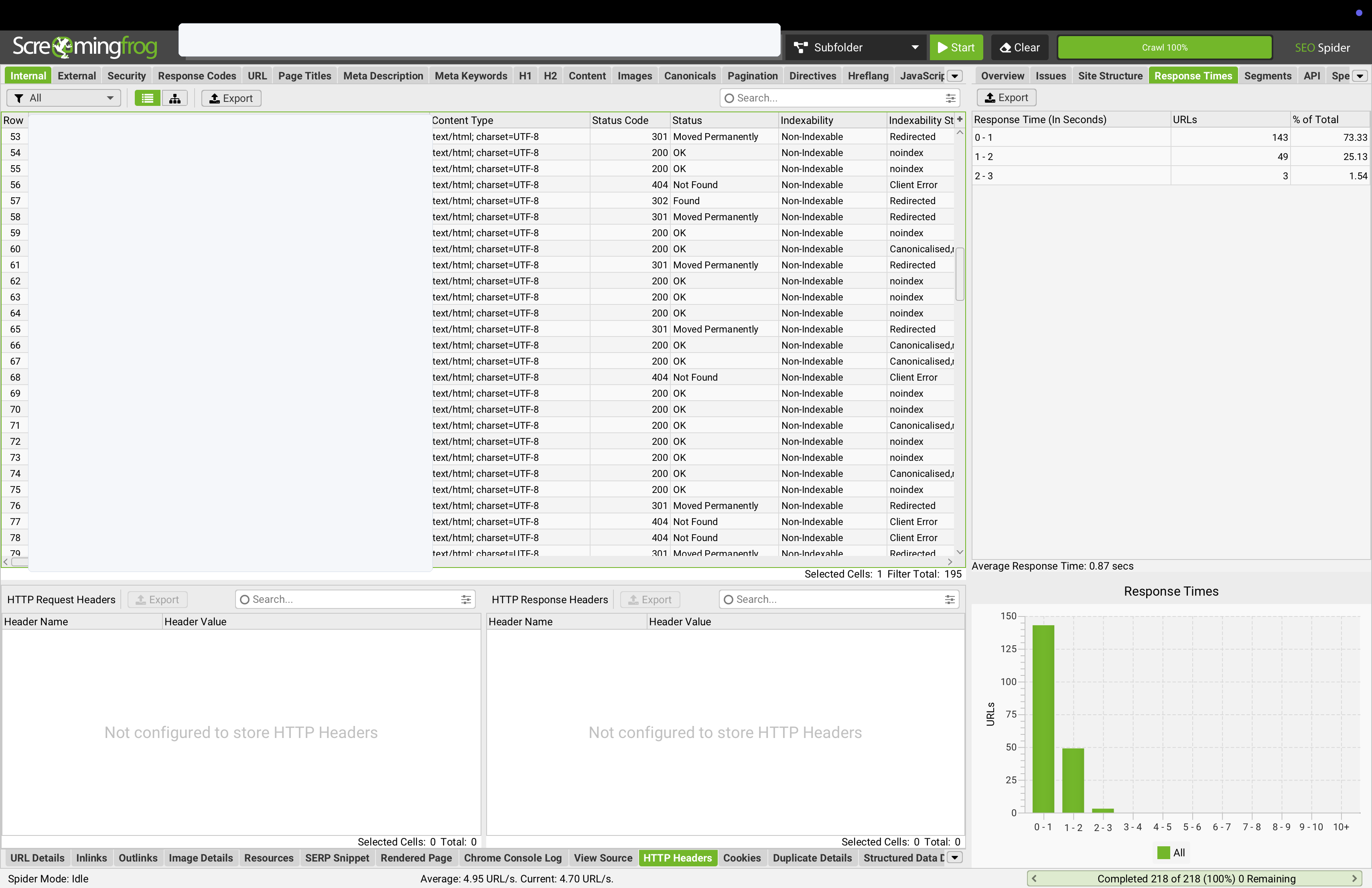
After that, add crawl data from Screaming Frog or a similar crawler. The crawl gives AI the current site reality: URLs, status codes, indexability, title tags, meta descriptions, headings, canonicals, word count, internal links, images, and schema.
Anonymous Case Study: From 3,080 Keywords to an AI SEO System
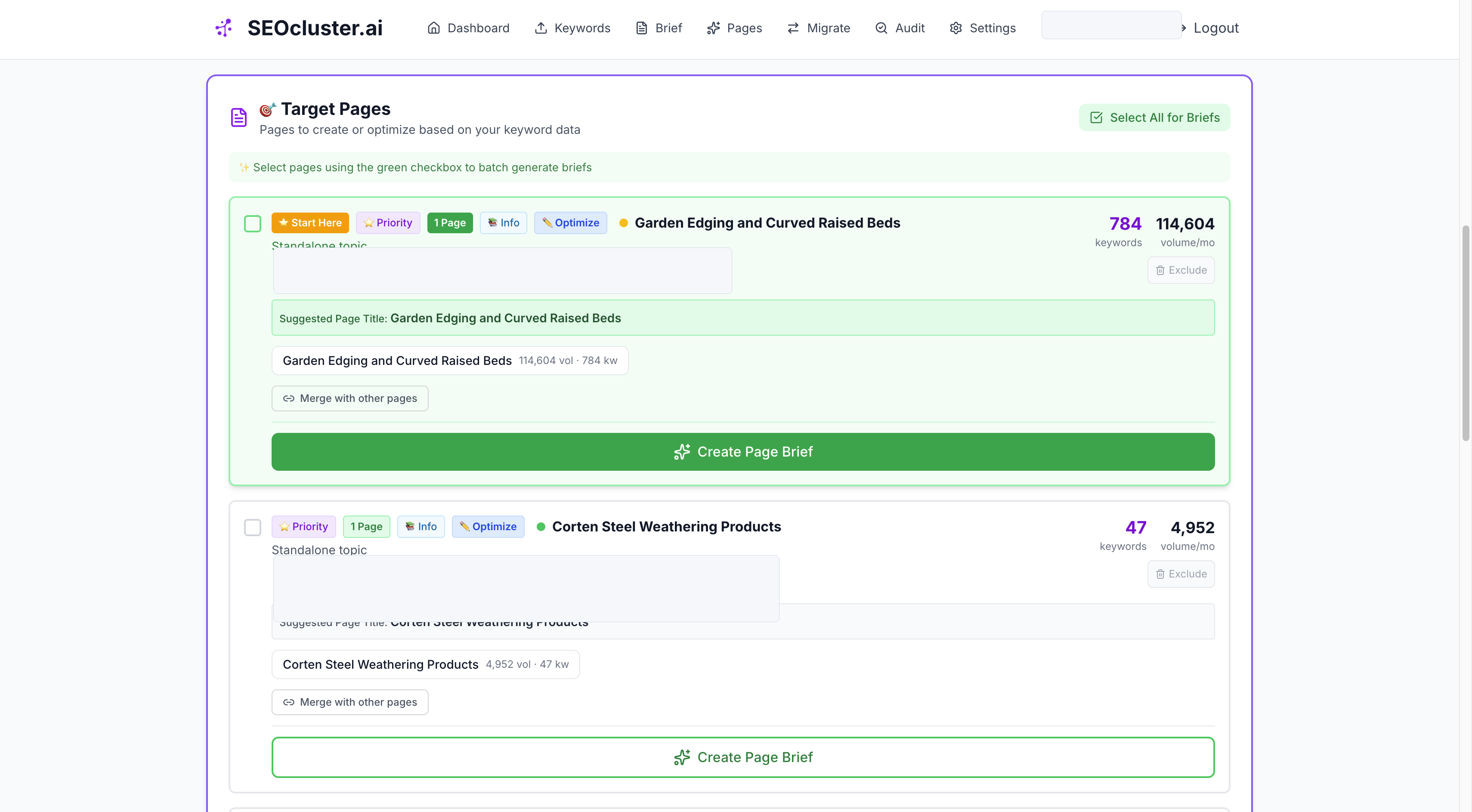
Here is a real workflow example, anonymized to protect the client. The site was a commercial home-improvement brand with multiple product categories, country-specific content, and a growing advice section. The problem was not lack of data. It was too much disconnected data.
The clustered export gave the AI a structured map: which topics belonged together, which pages were already ranking, which pages should own each intent, which terms were quick wins, and where multiple URLs appeared to compete.
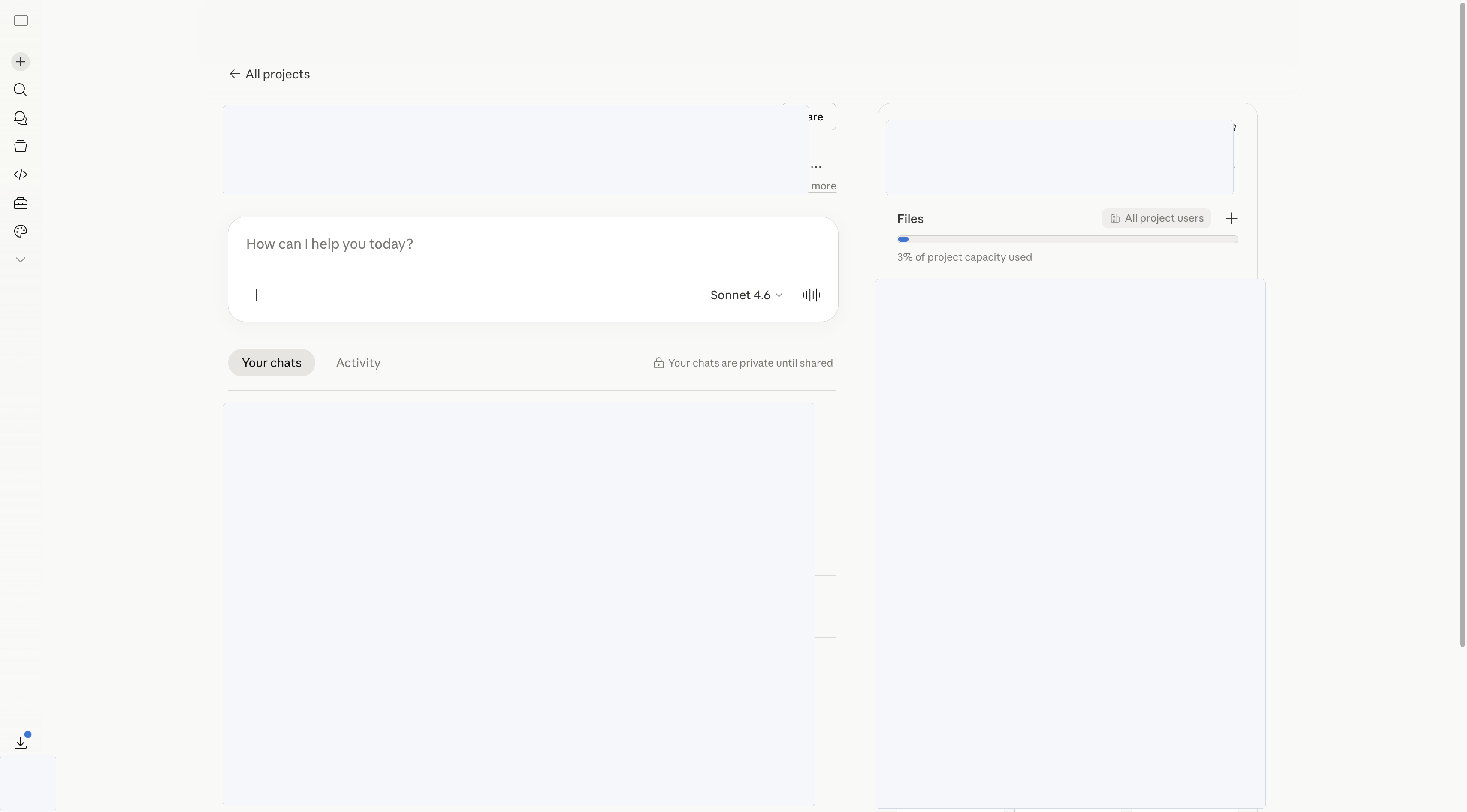
Then I created a Claude Project for the website and added the cluster exports, GSC Pages and Queries exports, the crawl, brand rules, product notes, localization notes, redirect context, examples of preferred tone, and "do not say" rules for risky or unsupported claims. The result was not autopilot SEO. It was more useful than that: a reusable SEO strategy assistant with context.
What to Upload to a Claude or ChatGPT Project
Create one AI project per client or website. Mixing multiple clients in the same project is a fast way to get confused recommendations.
Do not skip the split rankings export
If SEOcluster.ai flags split rankings, upload that export to Claude or ChatGPT too. It helps the AI see where multiple URLs are competing for the same intent, which URL is currently click-dominant, and whether the likely task is merge, redirect, differentiate, internal-link, or monitor.
This is where human review matters. A competing URL is not automatically a bad URL. Sometimes the right decision is to consolidate. Sometimes it is to keep both pages but make their intent clearer.
How AI Gets Better After Clustering
Real demand
GSC shows what Google already associates with the site.
Page ownership
Clusters clarify which page should own each intent.
Current structure
The crawl shows what is live, indexable, linked, and missing.
Better reasoning
AI can compare demand, pages, metadata, links, and constraints.
Safer output
Brand rules reduce invented claims, risky copy, and bad redirects.
AI search readiness
The model can spot answer blocks, entity clarity, FAQ, and schema gaps.
A Reusable Claude / ChatGPT Project Prompt
Use this as a starting instruction for a Claude Project, ChatGPT Project, or Gemini Gem that contains clustered GSC exports and crawl data.
You are an SEO strategy assistant working from structured Google Search Console keyword clusters and site crawl data.

Your job is to turn clustered search data into page-level SEO recommendations.
You are not an idea generator. You are a reasoning layer operating on first-party SEO data.

Use these data priorities:
1. Google Search Console data shows real search demand and current visibility.
2. SEOcluster.ai exports show keyword intent groups, target-page recommendations, split rankings, quick wins, and page opportunities.
3. Screaming Frog crawl data shows the current site structure, metadata, headings, canonicals, indexability, and internal links.
4. Brand/product files define what can and cannot be claimed.

Rules:
- Do not invent URLs, services, products, prices, testimonials, credentials, or locations.
- Every keyword recommendation must map to one intended URL.
- Treat existing rankings and impressions as evidence of topical relevance.
- Avoid generic SEO advice unless it is directly supported by the provided data.
- If two URLs appear to target the same intent, flag a cannibalization or split-ranking risk.
- Treat SEOcluster.ai's split-ranking export as the source of truth for competing URLs.
- Identify the click-dominant URL and recommend it as the likely primary page unless there is a clear strategic reason not to.
- Do not recommend redirects automatically. Classify each split-ranking issue as merge, redirect, differentiate, internal-link, or monitor.
- If a lower-click URL ranks better for some queries, flag it for human review instead of forcing consolidation.
- Preserve pages that serve clearly different intents, products, locations, or funnel stages.
- If GSC shows a URL receiving impressions but the crawl does not include it, flag it as a possible orphan, redirect, blocked URL, or crawl-scope issue.
- Distinguish between create, optimize, consolidate, and monitor recommendations.
- Prefer improving existing ranking pages before recommending new pages, unless the intent clearly needs a separate page.
- Prioritize recommendations by business impact, existing visibility, implementation difficulty, likelihood of success, internal competition risk, and crawl/indexation risk.
- Before suggesting title, H1, schema, or internal-link changes, verify the URL exists in the crawl, is indexable, has the expected canonical behavior, and has relevant crawl metadata.
- Separate strategic recommendations from copy-paste implementation tasks.
- Reference the evidence behind each important recommendation.
- Flag assumptions, uncertainty, and items that require human review.
- Be conservative with redirects. Never recommend a redirect unless intent overlap is clear and the destination is stronger or intentionally chosen.
- For AI search readiness, identify direct-answer blocks, definition sections, FAQ opportunities, schema, and entity clarity improvements.

When I ask for an SEO plan, output:
1. Executive summary
2. Highest-impact opportunities
3. Priority target pages
4. Quick wins
5. Cannibalization/split-ranking risks
6. Internal linking recommendations
7. Page-by-page optimization tasks
8. Technical/crawl issues
9. AI search readiness improvements
10. Risks, assumptions, and data gaps
What AI Still Should Not Decide Alone
AI can speed up SEO strategy, but it should not be treated as autopilot. Review redirects, canonical changes, product or medical claims, legal or financial content, pricing, service-area claims, migration decisions, and deletion or consolidation of important pages before acting.
The strongest use of AI in SEO is not asking it to invent a plan from nothing. It is giving it the right structure first: search demand from GSC, page ownership from clusters, current site reality from a crawl, and business rules from the team.
Try the Workflow on Your Own GSC Data
SEOcluster.ai turns Google Search Console queries into semantic clusters, target pages, content briefs, and split-ranking insights. Export that structure, add your crawl and brand rules, then use Claude or ChatGPT as the reasoning layer.